The Science of Whisky Maturation: How Time, Climate, and Terroir Shape Flavor
The Science of Whisky Maturation: How Time, Climate, and Terroir Shape Flavor
Whisky is more than the art of distillation — it’s a miracle crafted by time and nature working together.
From oak casks, temperature, and humidity, to the Solera system, every element influences the soul and depth of the spirit.
Today, we explore the science and artistry behind whisky maturation.
Time — The Finest Master Blender
Maturation is where the true magic of whisky happens.
When new make spirit first enters the oak cask, it’s sharp and fiery.
Over time, the liquid and the wood begin a long process of “breathing” and exchange — the spirit seeps into the wood, absorbs its essence, and releases it again with temperature shifts.
During this process, the wood imparts vanillin, tannins, and natural sugars, softening the spirit and turning its color from clear to shades of gold, amber, or deep copper.
Time is more than just aging — it’s an ongoing dialogue between spirit, wood, and air.
Climate — Tropical vs. Temperate Maturation
The speed of maturation is closely tied to climate.
In Scotland, whisky evaporates at around 2% per year — slow and steady aging.
But in tropical regions like Taiwan or India, the “Angel’s Share” can reach 8–12%, causing whisky to interact more intensely with the oak.
The result?
Whiskies from tropical climates are often described as bold, expressive, and fruit-forward — the accelerated aging brings out concentrated aromas and vibrant layers of flavor.
Oak Casks — Whisky’s Second Distillery
Whisky owes its character to the oak cask in which it rests.
Different species, origins, and toasting levels give rise to distinct personalities:
-
American White Oak (Quercus Alba): Vanilla, caramel, coconut — often used for Bourbon casks.
-
European Oak (Quercus Robur): Dried fruits, spice, and classic sherry richness.
-
French Oak (Quercus Petraea): Cocoa, roasted nuts, and a full-bodied texture.
Combined with various cask types — Sherry, Bourbon, Wine, Hogshead, or Puncheon — these factors create an endless spectrum of flavors.
The Solera System — The Art of Time in Motion
Originating in Spain’s sherry production, the Solera system has been adopted by select whisky distilleries.
It’s a method of layered cask maturation and gradual blending.
Imagine stacks of barrels:
-
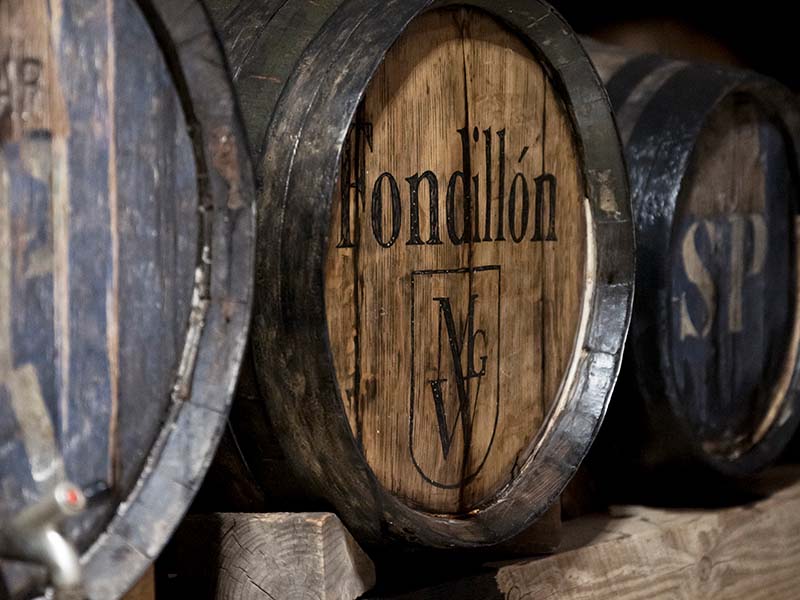
The bottom row, called the Solera, holds the oldest whisky.
-
The upper layers, called Criaderas, contain progressively younger spirit.
When it’s time to bottle, only part of the whisky is drawn from the Solera layer.
Each upper layer refills the one below, and the topmost layer is topped up with new make spirit.
This continuous cycle blends generations of whisky — new and old coexisting in harmony, creating depth, balance, and a flavor that evolves with time.
Every drop drawn from a Solera is a living record of years gone by — a meeting of the past and present.
Terroir — The Land Breathing Through the Spirit
Whisky is not only shaped by distillation and aging — it’s also a reflection of place.
At Riceky, locally grown Taiwanese rice meets pure Alishan spring water and the humid climate of Yunlin, forming a distinct island character.
The result is a whisky with ripe fruit, vanilla, and a gentle hint of sea salt — a rhythm composed by both land and weather.
The Symphony of Time, Climate, and Terroir
Whisky maturation is the union of nature and craftsmanship.
Time brings smoothness, climate shapes personality, and oak and terroir give it soul.
When you raise your glass, you’re not just tasting whisky —
you’re savoring a story of time, land, and the human spirit.