Sherry, Bourbon, and Wine Casks — How Oak Barrels Shape the Soul of Whisky
Sherry, Bourbon, and Wine Casks — How Oak Barrels Shape the Soul of Whisky
In the world of whisky, the oak cask is both the most mysterious and the most essential character.
Freshly distilled spirit begins as something pure and straightforward, but through years of maturation in oak, it transforms—developing rich layers of aroma, color, and flavor.
Different types of casks give whisky entirely different personalities.
Why Mature Whisky in Oak Casks?
Oak has a unique structure: dense yet porous, allowing the spirit to breathe and evolve over time.
It also contains natural compounds—vanillin, tannins, and lignin—that slowly infuse into the liquid, shaping its flavor and texture.
Through this slow interaction, oak contributes to:
-
The whisky’s smoothness and depth of flavor.
-
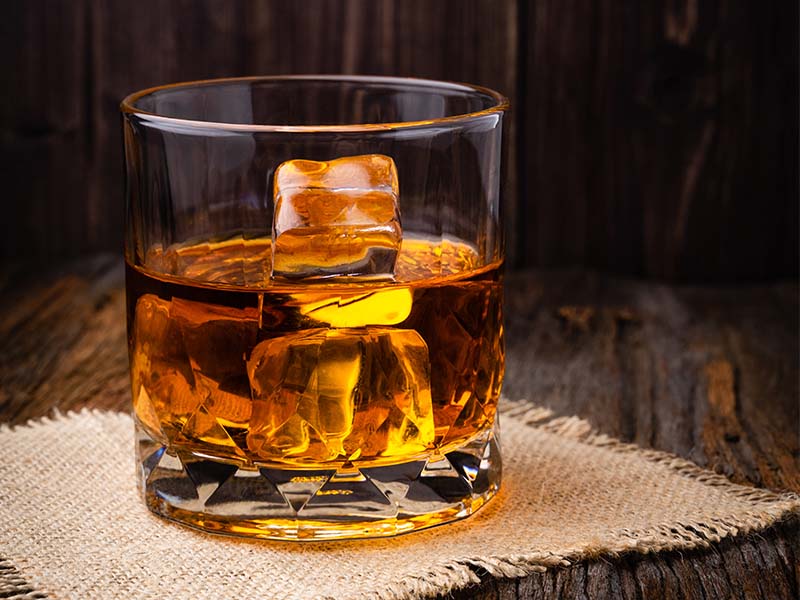
Its warm color, from pale gold to deep amber.
-
The complex bouquet of aromas we associate with fine whisky.
Without oak, the whisky world as we know it simply wouldn’t exist.
Three Classic Types of Oak Casks
🟤 Sherry Cask
Flavor profile: Rich dried fruits like fig and raisin, honey, caramel, and roasted nuts, with hints of chocolate and coffee bitterness.
Style: Full-bodied, luxurious, and long-lasting.
For drinkers who: Appreciate rounded sweetness and complex layers of flavor.
🟡 Bourbon Cask
Flavor profile: Vanilla, coconut, toffee, honey, and a gentle woodiness.
Style: Bright, clean, and balanced between fruit and sweetness.
For drinkers who: Prefer an easy-drinking whisky with a soft, vanilla-forward character.
🔴 Wine Cask
Flavor profile: Red fruits such as berries, cherries, and plums, combined with delicate tannins.
Style: Elegant, refined, often with a subtle wine-like acidity and structure.
For drinkers who: Enjoy the balance of fruitiness and body reminiscent of fine red wine.
The Oak Story of Riceky
At Yunlin Distillery, Riceky Single Grain Whisky is crafted from locally grown rice, matured in different oak casks to express the diversity of Taiwan’s terroir:
-
Sherry cask maturation: Dried fruits, chocolate, and coffee richness.
-
Bourbon cask maturation: Vanilla sweetness and caramel smoothness.
-
Wine cask maturation: Cherry and plum aromas with refined structure.
Each cask tells its own story—together, they compose the language of Riceky’s island character.
In Conclusion
An oak cask is whisky’s second life.
Inside the barrel, the spirit rests, breathes, and transforms—until it emerges as a golden, full-bodied symphony of flavor.
So the next time you raise a glass, take a moment to wonder:
Which cask is whispering in your whisky tonight?